
Precision Glass Work for Toyota Vehicles
Toyota Auto Glass Services in Houston for Windshield Replacement, Window Damage, and Chip Repairs
Toyota windshields, door glass, vent glass, and back glass fail from road debris impact, collision damage, and stress cracks that develop around mounting points. The service addresses these failures through complete glass replacement, rock chip repair, and window chip restoration for Camry, RAV4, Tacoma, Tundra, and other Toyota models operating in Houston. Eagle Houston Auto Glass handles installations that account for Toyota Safety Sense cameras, heads-up display projectors, and acoustic windshield technology that requires specific glass types to maintain noise reduction properties.
Windshield replacement begins with safe removal of damaged glass without scratching paint or damaging surrounding trim, followed by preparation of the pinch weld surface where urethane adhesive bonds the new windshield to the vehicle structure. Rock chip repair works differently—it uses vacuum and pressure to inject resin into the damaged area, filling voids and preventing cracks from spreading outward from the impact point. Door glass and vent glass replacement requires access to the regulator mechanism inside the door panel, while back glass installation methods vary between fixed glass bonded with adhesive and liftgate glass mounted with hinges.
Request a detailed estimate based on your Toyota model and the type of glass damage you're experiencing.
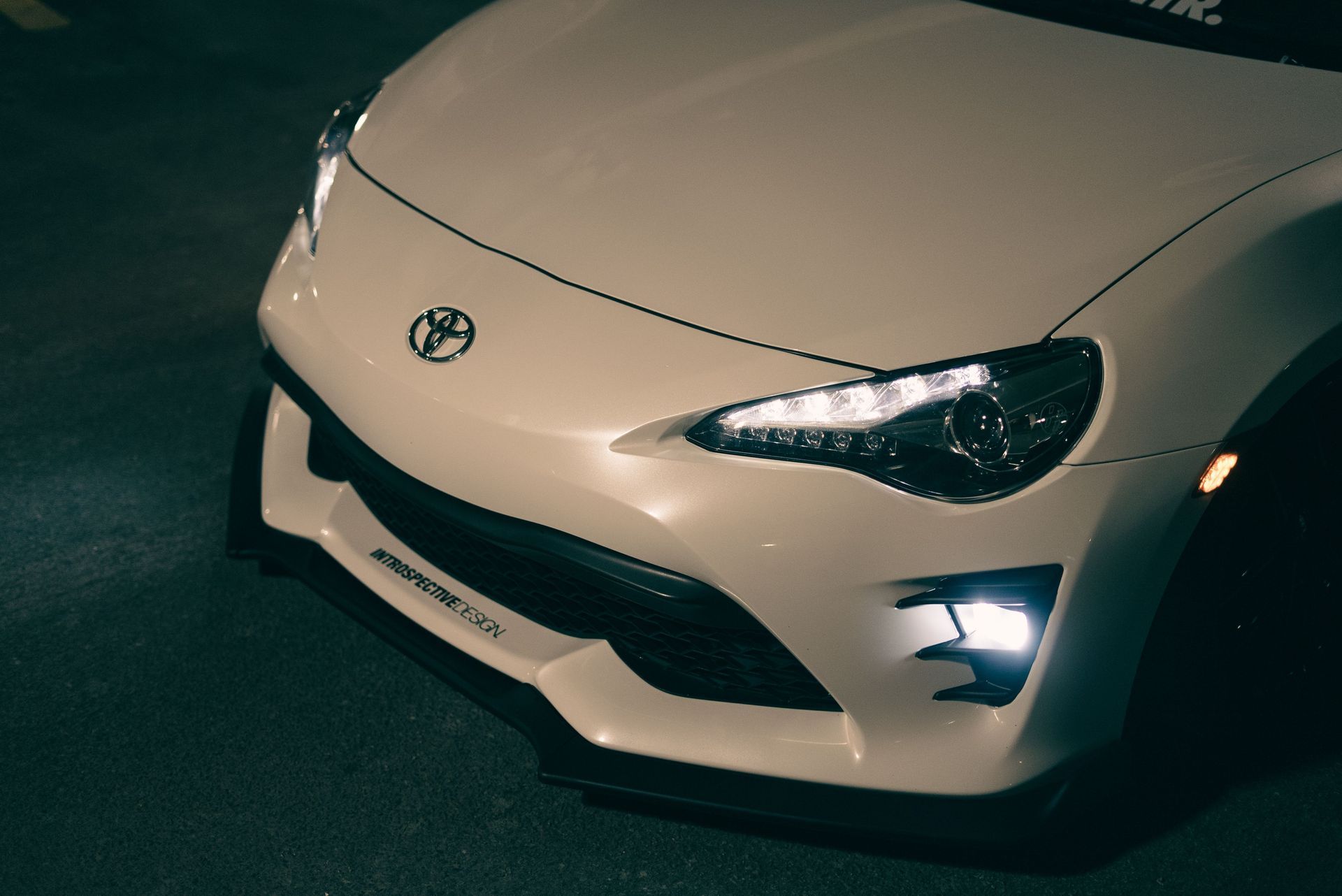
What Changes After Toyota Glass Service Completes
The urethane adhesive used in Toyota windshield installation cures to create a structural bond that supports the roof during rollover events, with different adhesive formulations designed for standard glass versus acoustic laminated glass used in premium Toyota models. Houston's heat and humidity affect curing rates, typically accelerating the process compared to cooler climates, though direct sun exposure during installation can cause surface skinning before the windshield is fully seated. Toyota vehicles equipped with Eyesight or Pre-Collision systems require static camera calibration using specialized targets positioned at specific distances from the vehicle after windshield replacement.
After the work is finished, you'll notice elimination of the visual distortion and refraction that occurs around cracked areas, along with restored water shedding as rain flows smoothly across the new glass surface instead of catching in damaged sections. Wind noise from failed seals disappears, and the cabin remains dry during heavy rainstorms that previously caused leaks around deteriorated urethane. Door glass operates without the grinding or popping sounds that indicate worn regulators or misaligned glass channels.
The service includes testing of defroster grids on back glass to verify electrical continuity after installation, along with inspection of all weatherstripping to confirm proper sealing. Rock chip repairs restore structural integrity to damaged areas but leave a small visible mark where resin fills the void, though this mark is far less noticeable than the original star-shaped crack pattern. Mobile service brings the installation to your location for most Toyota models, while vehicles requiring advanced calibration may need shop-based service where calibration equipment is permanently installed.
Answers to Frequent Service Questions
Toyota owners ask about timing considerations, technology integration, and maintenance after glass replacement.
What makes Toyota acoustic windshields different from standard glass?
Acoustic windshields use a thicker laminate layer between glass plies that dampens road noise and wind buffeting, requiring OEM or OEM-equivalent replacement glass to maintain the noise reduction properties that came with your vehicle from the factory.
How long does Toyota Safety Sense calibration take after windshield replacement?
Static calibration typically requires 30 to 45 minutes in a controlled environment using targets placed at precise distances from the vehicle, while dynamic calibration requires driving the vehicle on marked roadways until the system completes its learning cycle.
When is rock chip repair no longer an option?
Once a chip has spread into a crack longer than three inches, reaches the edge of the windshield, or falls within the driver's critical viewing area directly behind the steering wheel, the structural damage requires full windshield replacement rather than resin repair.
Why does door glass replacement require regulator adjustment?
The glass must sit precisely within its channels and seal against weatherstripping at the top of the door frame without binding during operation, which requires adjusting the regulator mounting bolts and testing window movement through its full range before reassembling the door panel.
What Toyota models have heads-up display systems that affect windshield replacement?
Certain Camry, Avalon, and RAV4 models project information onto the windshield, requiring specific glass with a wedge-shaped interlayer that prevents double imaging, and replacement glass must match this specification or the display will appear blurred or duplicated.
Eagle Houston Auto Glass addresses glass failures on Toyota vehicles with model-specific knowledge and calibration capabilities for advanced safety systems. Set up a service visit to restore your Toyota's glass and visibility systems to proper operation.